From Numb to Healing: A Las Vegas Story of Opiate Addiction and Mental Health Recovery
This story is based on real events. For privacy, we’ve changed the name of the individual.
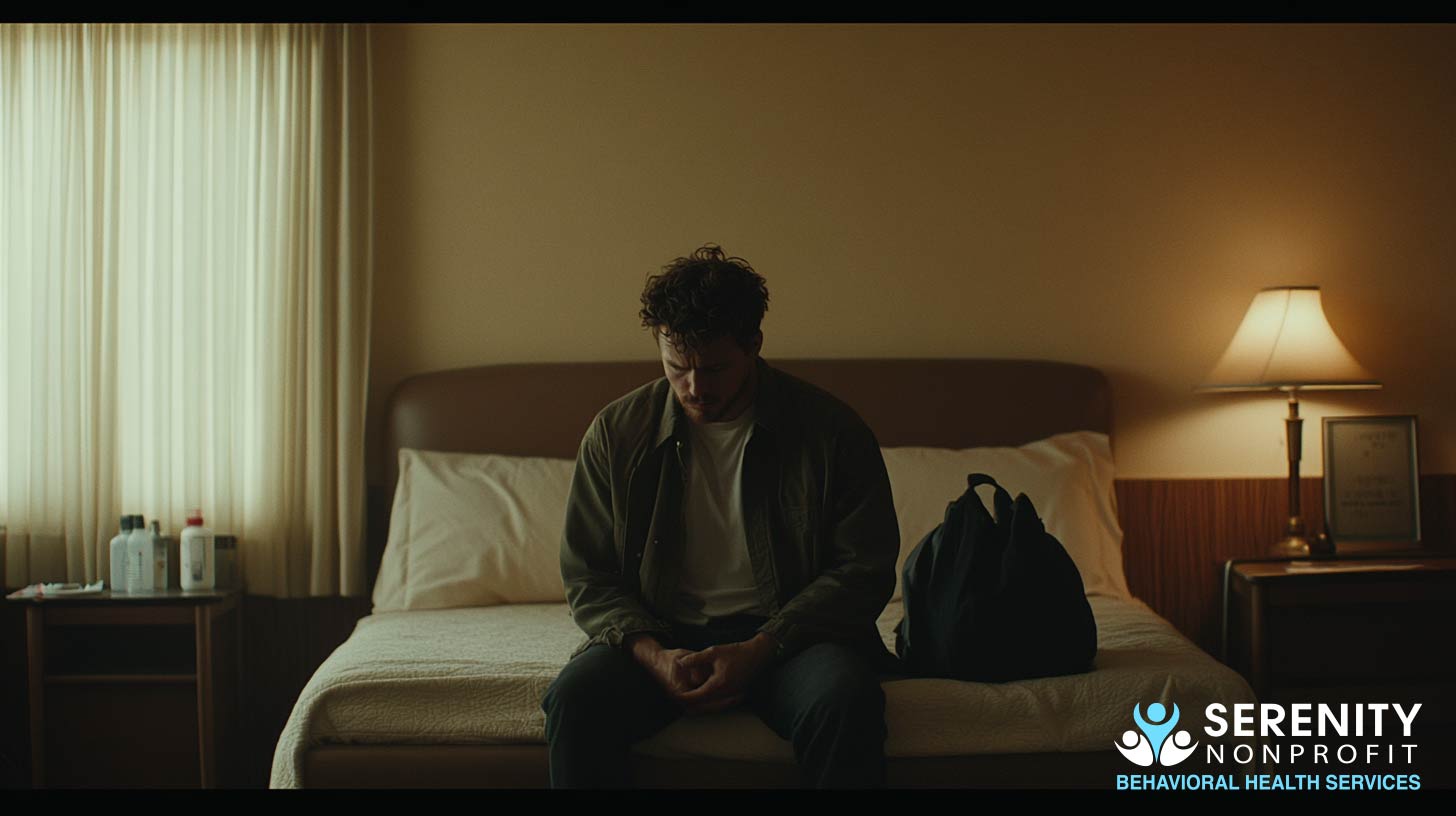
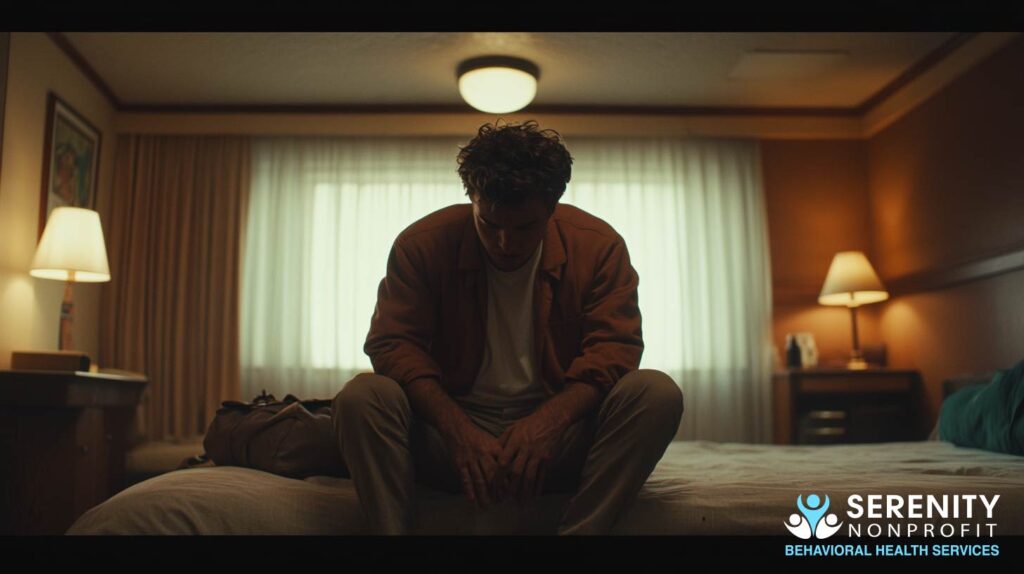
When we first met “Jake,” he looked like someone who hadn’t slept in weeks. He was 36, living in a motel on the edge of Las Vegas, and had just survived his third overdose in two months. He walked into Serenity Nonprofit because someone handed him a flyer outside a bus stop. That flyer, he said, felt like his last lifeline.
Jake wasn’t new to pain. His opiate use didn’t start in some wild party scene. It started in a hospital bed after back surgery, and it escalated after he lost his mom, his only family, in a sudden accident. “I just didn’t want to feel anything,” he told us.
Like many in our city, Jake’s story was filled with invisible battles. He struggled with anxiety, depression, and unprocessed grief. But like too many others, he didn’t think he deserved help. He didn’t think there was a place that would understand him, or a place that would accept Medicaid for addiction treatments or rehab.
Understanding Opiate Addiction and Suboxone Detox Support
Jake was skeptical when we first discussed Suboxone detox. He thought detox meant cold sweats, endless vomiting, and being locked in a room alone. We explained that our approach was different—supportive, guided by licensed professionals, and centered on dignity. Suboxone helped ease his symptoms while our addiction specialists addressed the underlying reasons he used in the first place.
Opiate addiction rehab is never one-size-fits-all. Some people need outpatient drug rehab. Others, like Jake, benefit from long-term drug rehab combined with mental health therapy. We helped him apply to a rehab program that accepts Medicaid and connected him to a nearby men’s sober house when he was ready to leave detox.
The Mental Health Struggles Behind Addiction
One of the biggest turning points for Jake came during a therapy session where he said, “I’m not even sure who I am without the pills.” That’s where our work really began. At Serenity, we believe in treating more than addiction, we address the emotional wounds that often come before it.
Jake had been through emotional trauma that had never been acknowledged. In addition to addiction recovery counseling, we connected him with one of our licensed trauma informed therapists. He began processing his grief, his fear of abandonment, and his deep anxiety, all of which contributed to his addiction.
For others like Jake, we also provide:
The Power of Support and Ongoing Care
Recovery didn’t happen overnight. Jake had relapses. There were days he didn’t show up for sessions. But he always came back. And that’s what mattered. With each return, his trust in himself grew a little stronger.
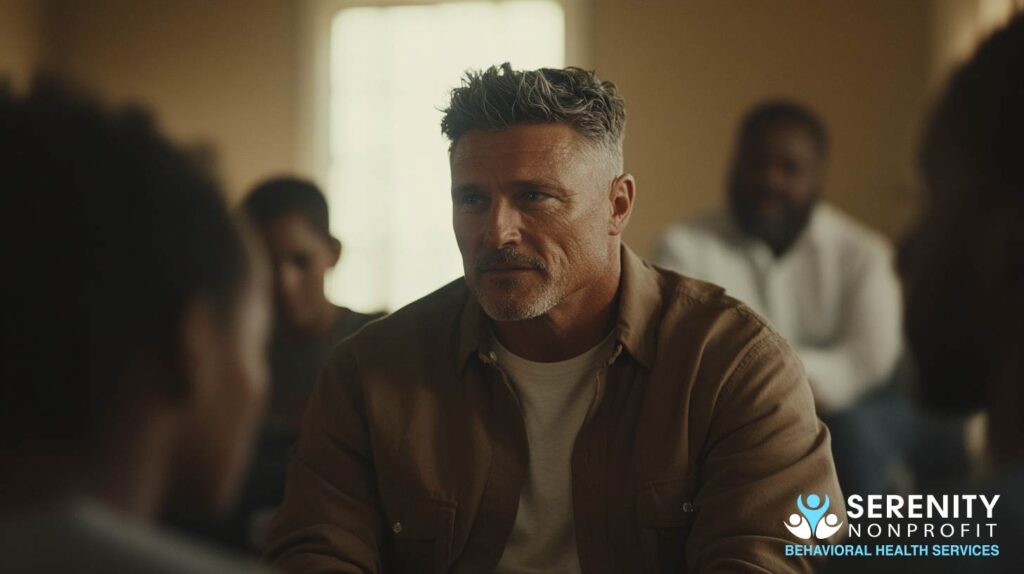
We enrolled him in additional therapy, connected him to a support group, and ensured he had access to ongoing Suboxone treatment. Through Medicaid, Jake was able to continue his care without financial pressure, proving that health insurance that covers drug rehabilitation can change lives.
Today, Jake is working part-time and saving up for his own apartment. He still checks in with his therapist. He still comes to group. And he still keeps that flyer he found at the bus stop, creased and worn but never thrown away.

You’re Not Alone. And You’re Not Hopeless.
If Jake’s story feels familiar, know this: there is help. You don’t have to figure it out on your own. Whether you’re searching for a Suboxone detox center, opiate addiction rehab, or just someone to talk to, Serenity Nonprofit is here for you.
You don’t have to be perfect. You don’t have to have all the answers. You just have to be willing to take the first step.
24/7 Crisis Hot Line: 702-815-1550
Same-day appointments available. Services offered in English, Spanish, and Portuguese. No one is refused service.
Contact us to start your journey toward healing. Whether you need therapy, rehab, housing, or just to talk—we’re ready when you are.