Why Veterans Deserve Better Than 'Just Push Through It' – A Mental Health Guide That Actually Gets It
You’ve heard it before. “Just push through it.” “You’re stronger than this.” “Other people have it worse.”
If you’re a veteran reading this, you probably want to throw something at the screen right now. And honestly? We get it.
At Serenity Nonprofit in Las Vegas, we’ve sat across from countless veterans who’ve been told these same hollow phrases. Veterans who served their country with honor, who’ve seen and experienced things most people can’t even imagine, being told to simply “get over it.”
Here’s what we wish more people understood: You’re not broken. You’re human.
The Reality Behind the Uniform
When you signed up to serve our country, nobody handed you a manual titled “How to Process Trauma Like a Normal Person.” They didn’t teach you how to sleep when your mind won’t stop replaying moments from deployment. They didn’t explain how to feel comfortable in crowds again, or how to explain to your family why loud noises make you jump.
What they did teach you was discipline, loyalty, and how to complete the mission no matter what. Those aren’t character flaws – they’re strengths. But sometimes, those same strengths can make it harder to ask for help when you need it most.
PTSD doesn’t make you weak. Depression doesn’t disqualify you from being a hero. And struggling with addiction doesn’t erase your service.
Understanding this is the first step toward healing. So let’s walk through this together, starting with what you might be experiencing right now.
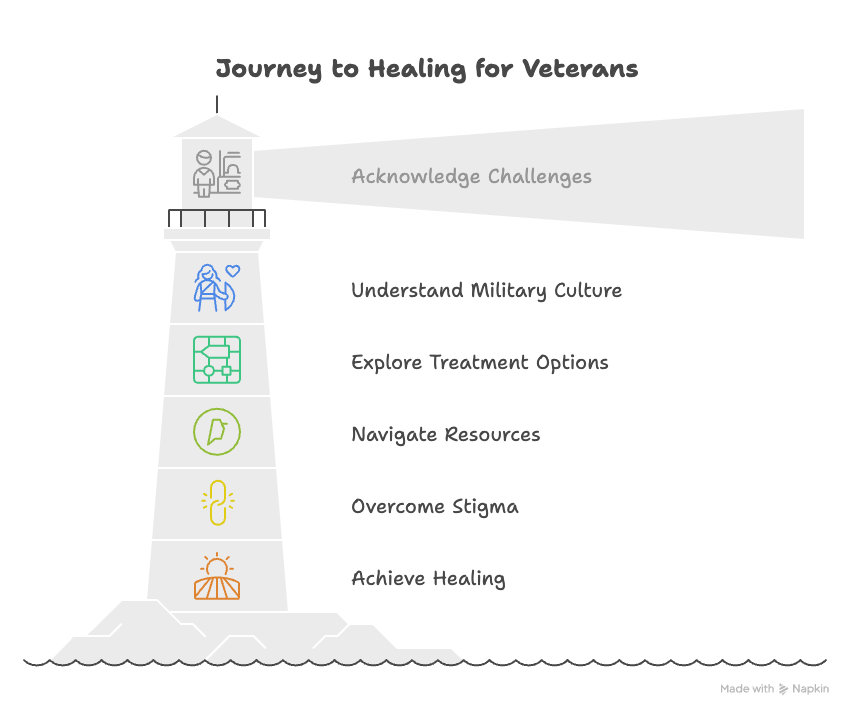
What You Might Be Going Through: Common Mental Health Challenges
If you’re reading this, chances are something brought you here. Maybe you’re not sleeping well, or you’re feeling disconnected from the people you love. Perhaps you’re using alcohol or other substances more than you’d like, or you’re just feeling… different. Let’s talk honestly about what many veterans experience, because naming what’s happening can be the beginning of taking back control.
Post-Traumatic Stress Disorder (PTSD)
PTSD isn’t just flashbacks from movies. It’s your nervous system stuck in survival mode. It’s feeling hypervigilant at the grocery store. It’s avoiding places that remind you of things you’d rather forget. In Las Vegas, where crowds and noise are everywhere, PTSD symptoms can feel overwhelming.
Depression and Anxiety
Military training taught you to compartmentalize emotions. But when you’re back in civilian life, those compartmentalized feelings don’t just disappear. Depression might look like losing interest in things you used to love. Anxiety might feel like your mind constantly scanning for threats that aren’t there.
Substance Use and Addiction
Sometimes alcohol or other substances feel like the only thing that quiets the noise in your head. What starts as a way to cope can quickly become its own problem. You’re not weak for using substances to cope – you’re human trying to survive emotional pain.
Relationship Struggles
Coming home doesn’t automatically flip a switch back to “normal.” Your family might not understand why you’re different. You might feel disconnected from people who haven’t shared your experiences. This isolation can make everything else feel worse.
Now that we’ve acknowledged what you might be experiencing, let’s talk about why getting help can feel so complicated. Because if you’ve tried traditional therapy before and it didn’t quite fit, you’re not imagining things.
Why Getting Help Can Feel Like Speaking a Different Language
Here’s something most mental health providers don’t understand: military culture is different. You were trained to follow orders, complete missions, and not quit. Walking into a therapist’s office and being told to “explore your feelings” can feel foreign or even uncomfortable.
That’s why veteran-specific counseling and therapy approaches work better. Treatment that understands:
- Your training and background
- The unique stresses of military life
- How military culture shapes the way you process emotions
- That your service matters and your experiences are valid
The good news? There are approaches that actually work for people with your background. Let’s explore what real healing looks like when it’s done right.
What Actually Works: Treatment Approaches That Get It
Trauma-Focused Therapy
Therapies like EMDR (Eye Movement Desensitization and Reprocessing) and Cognitive Processing Therapy are specifically designed for trauma. They don’t require you to “get over it” – they help your brain process what happened in a healthier way.
Veteran Group Counseling
Sometimes the most healing conversations happen with other veterans who just “get it.” Group therapy with other veterans creates a space where you don’t have to explain the background – everyone understands the context.
Addiction Recovery Programs for Veterans
Recovery programs that understand military culture work differently. They build on the discipline and structure you already have while addressing the underlying trauma and mental health issues that often fuel addiction.
Family Therapy and Relationship Counseling
Your family wants to help, but they might not know how. Family therapy can bridge that gap, helping everyone understand how to support each other through the healing process.
These approaches work because they meet you where you are, not where someone thinks you should be. But finding the right provider – especially in a city like Las Vegas – takes some know-how.
Navigating Mental Health Resources in Las Vegas
Las Vegas has unique challenges for veterans – it’s a 24/7 city with constant stimulation, which can be overwhelming when you’re dealing with PTSD or anxiety. But it also has resources specifically designed to help.
When looking for veteran mental health services in Las Vegas, consider:
- Therapists who specialize in military trauma
- Support groups specifically for veterans
- Treatment programs that understand military culture
- Providers who work with VA benefits and understand military insurance
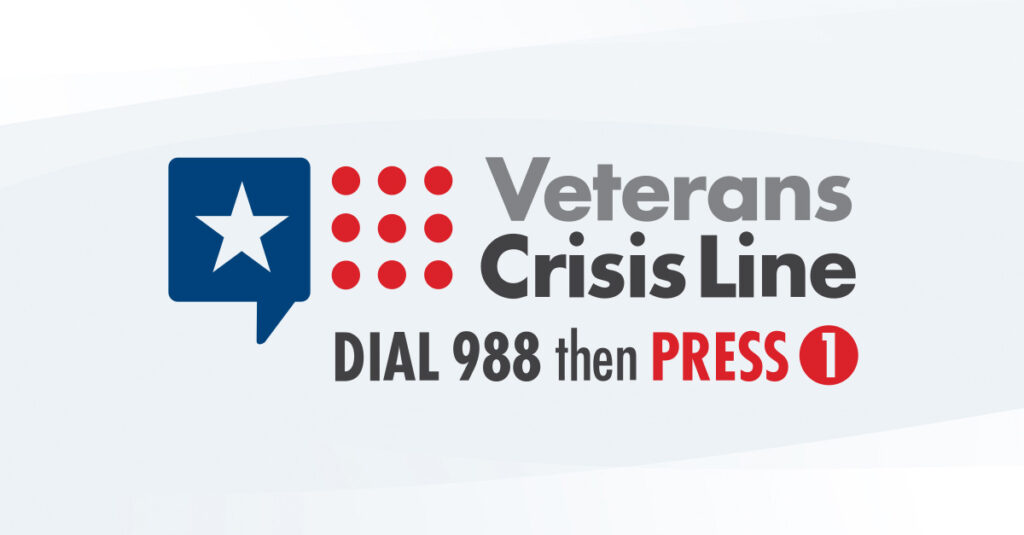
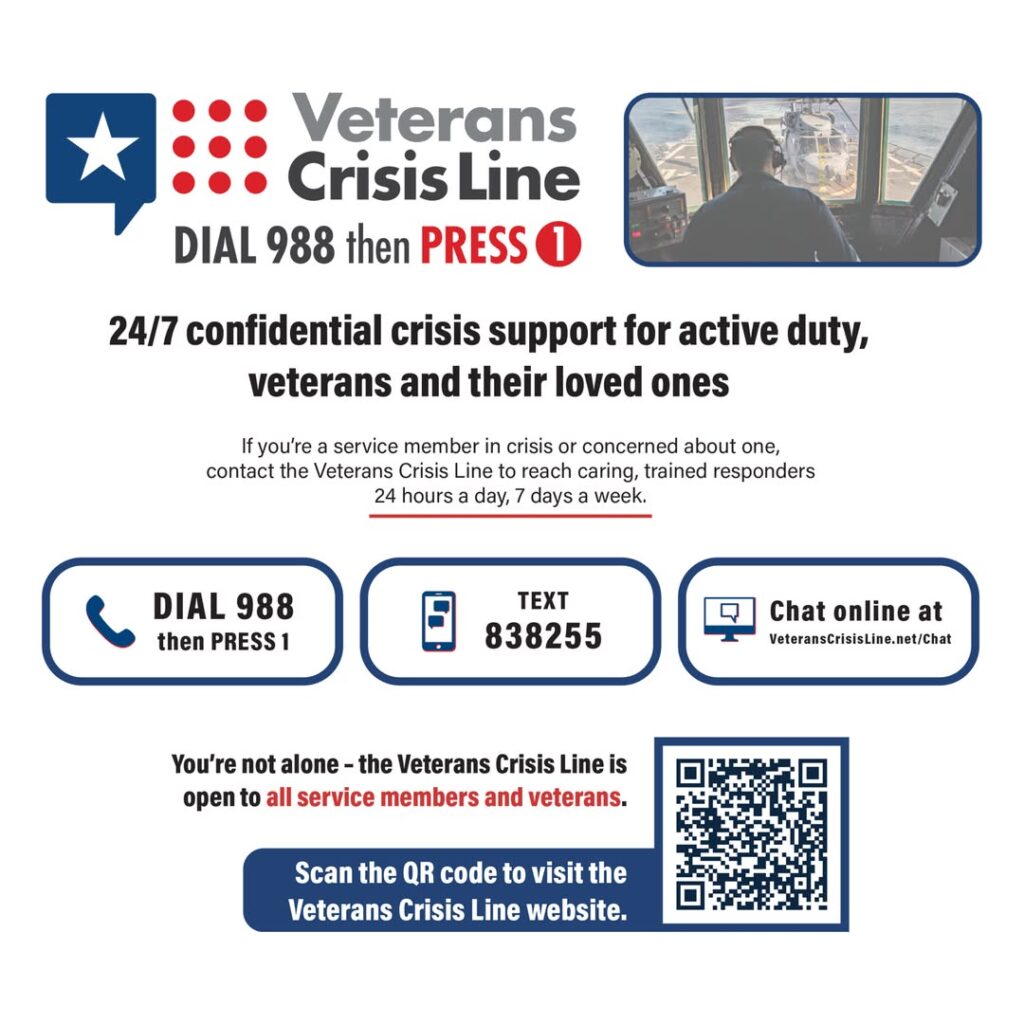
Of course, we’d be remiss not to mention that if you’re in crisis, help is available right now. The Veterans Crisis Line is staffed by people who understand what you’re going through.
When You Need Help Right Now
Remember the Veterans Crisis Line information in that image? Keep those numbers handy:
- Dial 988, then Press 1
- Text 838255
- TTY: 711 then 1-800-243-8255
But crisis lines are for emergencies. For ongoing support, therapy, and counseling, you need a team that understands your experience and respects your service. And before you take that step, let’s address the elephant in the room.
Let’s Talk About the Stigma (Because We Know It’s There)
Let’s be real – there’s still stigma around mental health in military communities. You might worry that seeking help makes you look weak or that it could affect future opportunities.
Here’s the truth: Getting help is the strongest thing you can do. It takes more courage to face your struggles head-on than to ignore them. And the right mental health provider will understand the importance of confidentiality and work within the systems you’re comfortable with.
So what does getting better actually look like? Because if you’re going to take this step, you deserve to know what you’re working toward.
What Real Healing Looks Like (Spoiler: It’s Not What You Think)
Healing doesn’t mean forgetting what happened or becoming the person you were before your service. It means:
- Sleeping through the night more often than not
- Feeling comfortable in your own skin again
- Having relationships that feel genuine and connected
- Managing stress without relying on substances
- Feeling proud of your service without being haunted by it
This is possible. You deserve this.
And here’s where we get practical. If you’ve made it this far in the article, you’re already showing the kind of commitment that got you through your service. Now it’s time to channel that same dedication toward something equally important.
Your Next Mission: Taking Action
If you’re reading this and recognizing yourself in these words, your next mission is clear: Give yourself permission to get help.
You served our country. You completed missions under impossible circumstances. You’ve already proven your strength and dedication. Now it’s time to use that same commitment to fight for your own wellbeing.
Mental health treatment isn’t giving up – it’s gearing up for the rest of your life.
Ready to Take the Next Step?
At Serenity Nonprofit, we understand that every veteran’s journey is different. Whether you’re struggling with PTSD, depression, anxiety, addiction, or just feeling lost in civilian life, you don’t have to figure it out alone.
We provide veteran-focused mental health services, therapy, and counseling in Las Vegas with providers who respect your service and understand your experience.
You’ve served our country. Now let us serve you.
Contact Serenity Nonprofit today to learn about our veteran mental health programs, addiction recovery support, and counseling services. Because you deserve more than just being told to “push through it” – you deserve real help, real understanding, and real healing.
Your service mattered. Your healing matters too.